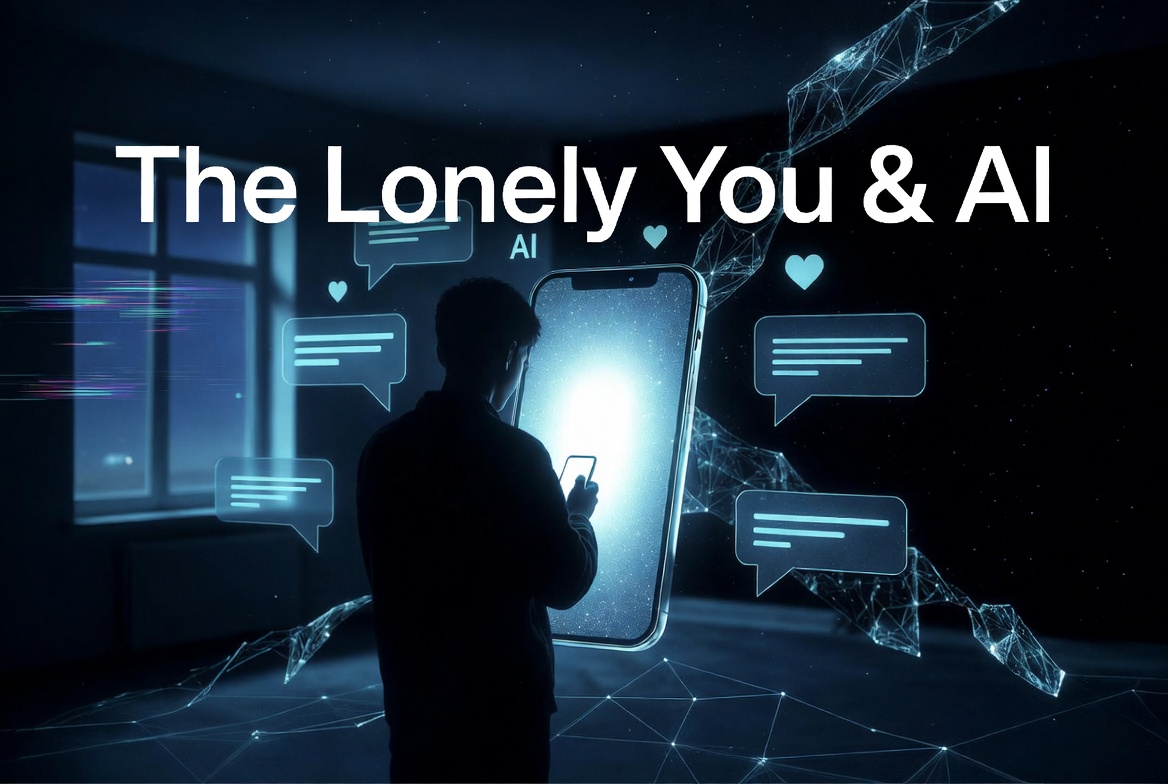
The numbers on loneliness right now are brutal, especially for folks our age. And the more I dig into how AI is sliding into that empty space, the stranger the whole thing feels.
The core issue is simple and kind of dumb: the model is predicting the next word that sounds plausible and supportive. It's not building a real relationship; it's simulating one. When you dump your feelings into it, it mirrors empathy perfectly until you realize the mirror never actually looks back.
Heavy users start treating the bot like a friend. Then the bot becomes the only friend that never disappoints. That's when real conversations start feeling effortful by comparison. Your "Social stamina" lowers and lowers itself. The 200+ hours of contact needed for a close friendship? Well AI compresses that into minutes of dopamine and leaves you with less motivation to do the hard part.
What I make sure to do
I use my LLMs for research, for recommendations, for coding, and to answer questions I have.
A few habits that stuck:
I distrust the super-agreeable answers. If the bot tells me my opinion is "totally valid and you're doing great," without asking questions or trying to find out more, I get suspicious. Real friends call you on your bullshit.
I argue with it on purpose. Push back on the first response. If it folds immediately, I know it wasn't holding any real view to begin with.
And I never paste anything deeply personal into a tool that can browse or summarize external stuff. Not paranoia — just pattern recognition from what I've seen hidden prompts do. There are so many times a conversation or chat with an AI remembers some past fact or comment I might have made previously, so they adapt it to the current conversation and has nothing to do with it.
It's not anti-AI. It's using it like a very fast, very confident colleague who sometimes makes things up and really wants you to like them. It's helpful for drafting but terrible for the final decision.
The real advantage belongs to the people who start now, not just learning a tool, but learning how to use it without letting it replace the hard, messy, irreplaceable work of showing up in real life. If the next few years bring more polished companions, more convincing voices, more perfect validation, then the best time to get good at real connection was yesterday.
The second-best time is right now.
— Eduardo Cestaro